

Vegetable Salan Comfort That Belongs at Every Celebration
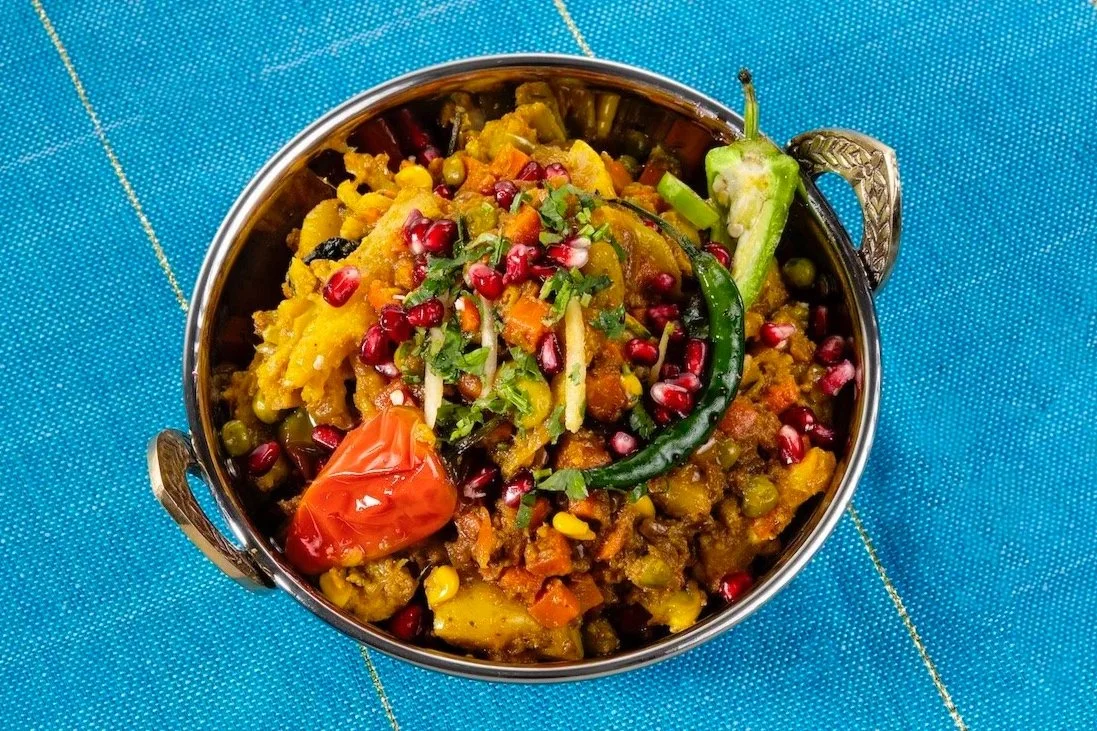
Vegetable Salan
If biryani is the drama and dessert is the sparkle, then Vegetable Salan is the quiet, soulful heart of a Pakistani feast — warm, balanced, and deeply satisfying.
It’s a dish that embodies the essence of home cooking, yet it’s festive enough to hold its own at any shaadi table. A gentle curry, rich in spice but mild in heat, comforting yet celebratory — the kind of food that makes everyone feel welcome.
The Origins: Where Simplicity Meets Spice
The word salan comes from Persian and Urdu roots meaning “gravy” — and it’s a cornerstone of South Asian cuisine. Historically, salan began as a royal Mughal curry, served with meat or vegetables simmered slowly in a sauce of nuts, yogurt, and aromatic spices. Over time, regional variations flourished — some rich and creamy, others tangy and tomato-based. As it made its way from courtly kitchens to family homes, the vegetable salan evolved into a dish of warmth, adaptability, and everyday joy.
In Hyderabad, it’s spiced with sesame and tamarind.
In Punjab, it’s tomato-forward and bold.
And across Pakistan, it’s become the go-to comfort curry, uniting families at weddings, Eid feasts, and Sunday lunches alike.
Why Vegetable Salan Shines at Weddings
Wedding menus in Pakistan are symphonies of flavour — but amidst the rich meats and fragrant rice dishes, every plate needs a pause, a breath, a note of balance. That’s where Vegetable Salan steps in. It’s the dish that bridges the meal — the grounding element between biryani’s spice and dessert’s sweetness. At weddings, it often arrives alongside naan or paratha, its gentle aroma of cumin and coriander wafting through the air. Guests scoop it up, and instantly, there’s that familiar comfort — home, warmth, and flavour all in one spoonful.
It’s festive food without the fuss. Heartwarming, nourishing, and humble — yet always special.
The Shaadi Table Take: Mild, Fragrant, and Full of Heart
Shaadi Table’s Vegetable Salan takes this beloved classic and gives it the love it deserves — slow-cooked, beautifully balanced, and rich in layers of taste. Each batch begins with a base of caramelized onions and tomatoes, simmered until they melt into a deep, velvety masala. To that, a colourful mix of seasonal vegetables — carrots, beans, peas, potatoes, and chickpeas — is added, each cooked just enough to hold its bite.
Cumin, turmeric, coriander, and a touch of garam masala bring warmth and depth, while a final drizzle of fresh cream and chopped coriander ties everything together.
The result? A curry that’s mild yet full of character, vibrant but comforting — a dish that feels both everyday and extraordinary.
The Experience: Comfort Meets Celebration
Every spoonful of Shaadi Table’s Vegetable Salan feels like a reunion — with family, with flavour, with home. The gravy is silky and aromatic, coating the vegetables without overpowering them. There’s a touch of sweetness from onions, a tang from tomatoes, and a whisper of spice that lingers softly. Pair it with naan or paratha, or let it sit next to a spoonful of biryani — it belongs everywhere, with everything. Because some dishes don’t shout for attention. They just quietly make every meal better.
Facts you need to know:
1. “Salan” means gravy.
The term comes from Persian roots and refers to saucy dishes meant for dipping naan or rice.
2. Vegetable salan has royal roots.
The Mughals cooked early versions with nuts, yogurt, and saffron for a rich, creamy texture.
3. Every region has its take.
Karachi-style salan is spicier, while northern versions lean milder and creamier.
4. Chickpeas are a popular addition.
They add body and protein — making the dish wholesome and hearty.
5. A perfect salan takes patience.
The secret lies in slow-cooking until the oil separates — that’s when the flavours truly bloom.
