

Zurdah & Shahi Halwa, Gajrela & Gulab Jamun- The Golden Finales of Every Celebration
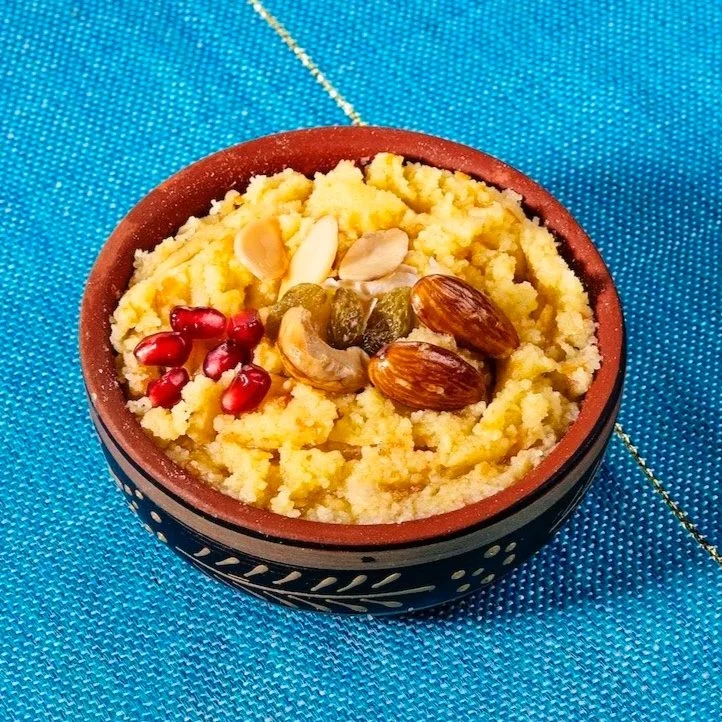
Zurdah (Sweet Rice)
The Golden Finales of Every Celebration
Zurdah - The Origins: From Mughal Courts to Mehndi Tables
Zurdah (from the Persian zard, meaning “yellow”) traces its roots back to the royal Mughal kitchens, where dessert was as much about artistry as taste. In the time of Emperor Akbar, Zurdah was considered a luxury dish, reserved for grand banquets and imperial celebrations. Cooked with saffron, sugar, and ghee, it shimmered with the colours of gold — a symbol of joy, prosperity, and hospitality.
The Mughals would often stud it with almonds, pistachios, raisins, and candied fruit, turning simple rice into something opulent. And because no royal feast ended without sweetness, Zurdah became the golden punctuation markof every celebration.
Over centuries, it travelled from palace kitchens to family homes — becoming a fixture at Eid tables, weddings, and festive feasts across South Asia.
Why Zurdah Shines at Weddings
At a Pakistani wedding, the biryani may get the fanfare, but Zurdah is the grand finale. Its saffron hue mirrors the joy of the occasion — warm, radiant, and rich. Its sweetness is symbolic: may the couple’s life be as fragrant and golden as this rice. Guests wait for it — that moment when the servers bring out steaming bowls of golden rice, topped with crushed nuts and a whisper of silver or gold leaf. It’s festive nostalgia at its finest. The taste of tradition, celebration, and sweetness shared.
The Shaadi Table Take: Sweet, Saffron, Sublime
Shaadi Table’s Zurdah (Sweet Rice) is a celebration of everything classic and comforting — but made with care and elegance fit for royalty. They start with the finest basmati rice, soaked and simmered gently in saffron-infused syrup until every grain glows like amber. Cardamom and cloves weave their perfume through the pot, while ghee gives it that signature richness. Then come the jewels — pistachios, almonds, and golden raisins, scattered like treasure through the rice. And finally, the flourish: a touch of edible gold leaf, gleaming like sunlight on silk. The result is an aromatic, buttery, and gently sweet dessert that feels nostalgic and indulgent all at once.
The Experience: Every Spoonful a Celebration
Close your eyes and take a spoonful. The rice is soft but not mushy; the sweetness, balanced and warm. There’s the subtle spice of cardamom, the crunch of roasted nuts, and the quiet luxury of saffron. It’s the taste of weddings, of Eids gone by, of family tables heavy with laughter. Shaadi Table’s Zurdah reminds us that dessert isn’t an afterthought — it’s the moment you remember long after the plates are cleared. Because every celebration deserves a golden ending.
Facts about Zurdah
1. Zurdah is centuries old.
It was served at Mughal feasts dating back to the 16th century.
2. The yellow colour is symbolic.
Saffron’s golden hue represents happiness and prosperity.
3. Rice in desserts was a royal luxury.
In medieval times, only the wealthy could afford saffron and sugar.
4. Some recipes use silver leaf.
Edible varq is used to signify purity and festivity.
5. Zurdah pairs beautifully with biryani.
Many wedding menus still serve them side by side — spice and sweetness in perfect harmony.
Shahi Halwa — The Golden Crown of Celebration
If every feast needs a finale, Shahi Halwa is the showstopper — a dessert that gleams like gold and tastes like celebration.
Warm, buttery, and aromatic, it’s comfort wrapped in luxury — the kind of sweet that turns a simple meal into a moment worth remembering. Soft yet textured, rich yet balanced, every spoonful melts into sweetness and nostalgia.
The Origins: From Royal Kitchens to Family Feasts
The story of Shahi Halwa begins in the grand kitchens of the Mughal courts, where royal chefs perfected indulgent sweets using ghee, sugar, nuts, and semolina.
“Shahi,” meaning “royal,” was more than just a name — it was a promise of richness, precision, and grace.
As the dish travelled across the subcontinent, it became a symbol of celebration — offered at weddings, Eid feasts, and every occasion worth marking with sweetness.
In North India and Pakistan, it evolved into Suji Halwa — a homely yet elegant dessert, made from roasted semolina, infused with cardamom and saffron, and topped with pistachios and almonds.
It’s the taste of home, heritage, and hospitality — all in one golden bowl.
💍 Why Shahi Halwa Belongs at Every Wedding
At a Pakistani shaadi, sweetness isn’t just dessert — it’s a blessing. Shahi Halwa arrives at the end of the meal like a finale of warmth and generosity, a golden reminder of joy shared.
It balances the spices of the feast with its creamy richness, bringing calm after the storm of flavour. The aroma of ghee and cardamom fills the room — instantly nostalgic, instantly comforting. It’s the one dish that grandparents crave, children adore, and everyone agrees is “just like the old days.”
✨ The Shaadi Table Take: Decadent, But Never Heavy
At Shaadi Table, our Shahi Halwa is made the traditional way — slow-roasted semolina in rich ghee, gently sweetened, and perfumed with cardamom and saffron.
Milk is added gradually until the texture becomes silken, and then we finish it with crushed pistachios, almonds, and golden raisins — for that perfect wedding glow.
Every bite melts like butter, leaving behind a whisper of warmth and spice.
It’s indulgent, but never cloying — the balance between richness and lightness that only true craftsmanship can achieve.
💫 The Experience: Sweet, Warm, and Worth Every Spoonful
You take a spoonful — the halwa glistens, soft and fragrant. You taste ghee, sugar, and saffron blending like music. The nuts add crunch, the raisins a hint of sweetness.
It’s familiar yet majestic — the flavour of home elevated to royal status. Shahi Table’s Shahi Halwa is not just dessert — it’s the celebration itself.
🍬 Sidebar: Fun Shahi Halwa Facts You’ll Love
“Halwa” comes from the Arabic ḥalwā, meaning “sweet” — a sign of its centuries-old heritage.
Shahi Halwa is often served on festive mornings, especially Eid or after nikah ceremonies.
The saffron and cardamom used were once royal luxuries — reserved for special guests.
In traditional homes, halwa is made fresh for each celebration — never stored, always shared.
The balance of ghee, sugar, and semolina defines its perfection — and every household guards its own secret ratio.
Gajrela (Gajar ka Halwa)
Some desserts whisper sweetness — but Gajrela sings it. This beloved winter indulgence, known also as Gajar ka Halwa, is comfort and celebration folded into one — a dessert so rich, fragrant, and nostalgic that it feels like home in every spoonful.
The Origins: From Royal Kitchens to Family Feasts
Gajrela traces its roots to the royal kitchens of the Mughal era, where chefs discovered the magic of slow-cooking grated carrots in milk and ghee until they transformed into something luxuriously creamy and caramelised. Over centuries, this humble carrot dessert became a winter staple across North India and Pakistan — a dish that united courtly grandeur and homely warmth.
Its beauty lies in its simplicity: milk, sugar, ghee, and patience. Add khoya (milk solids) and a touch of cardamom, and you have something far greater than the sum of its parts — a dessert that glows like sunshine and smells like celebration.
Why Gajrela Shines at Weddings and Festivals
Gajrela is more than dessert — it’s tradition served warm.
At weddings, it’s the sweet note that ends the feast, the dish that makes guests linger a little longer, spooning through memories as much as flavours. Its comforting warmth and richness are especially loved in winter weddings. The aroma of simmering milk and ghee carries through the air, mingling with laughter, silk, and music — it’s not just food, it’s the scent of festivity itself.
And because it can be served warm or chilled, Gajrela fits every mood — a hearty finale to a lavish dawat, or a cool, golden indulgence the next day.
The Shaadi Table Take: A Classic, Perfected
Shaadi Table’s Gajrela stays true to its roots — slow-cooked, rich, and beautifully balanced. Grated carrots are simmered in creamy milk until tender, then sweetened with just the right amount of sugar. Ghee adds its signature glow and depth, while khoya gives it that luxurious texture only true halwa can claim.
A gentle sprinkle of cardamom brings warmth to the sweetness, and a scattering of chopped almonds and pistachios adds a little crunch — because texture matters when you’re crafting comfort.
Every bite is a story of patience and perfection — the kind of dessert that feels both royal and familiar, indulgent yet soothing.
The Experience: Warm, Golden, and Irresistible
You dip your spoon in and lift a glowing bite — soft, buttery carrots glistening with ghee. The scent of cardamom rises, the nuts crackle faintly, and the sweetness settles on your tongue with the warmth of nostalgia. It’s the dessert that doesn’t just end the meal — it completes it. A reminder that joy, like Gajrela, is meant to be shared slowly, and savoured deeply.
Sidebar: Sweet Facts About Gajrela
1. Gajrela means “carrot sweet.”
Derived from gajar (carrot) and halwa (sweetened pudding).
2. It’s a winter-only classic.
Traditionally made with red winter carrots, prized for their sweetness and colour.
3. The Mughals loved it rich.
Early recipes included khoya, nuts, and even saffron for royal feasts.
4. It’s full of goodness.
Packed with vitamin A, calcium, and warmth — a dessert that feels as good as it tastes.
5. Every household has its version.
Some like it milky, others drier — but all agree it’s the taste of winter happiness.
